About Sollera
Because safety, healing, and dignity should never be out of reach.
We’re here to help victim-survivors reclaim their stories—and build a world where fewer people need us.

Our Why
Every person deserves the chance to feel safe, be heard, and heal—no matter when the harm happened, how it looks, or who caused it.
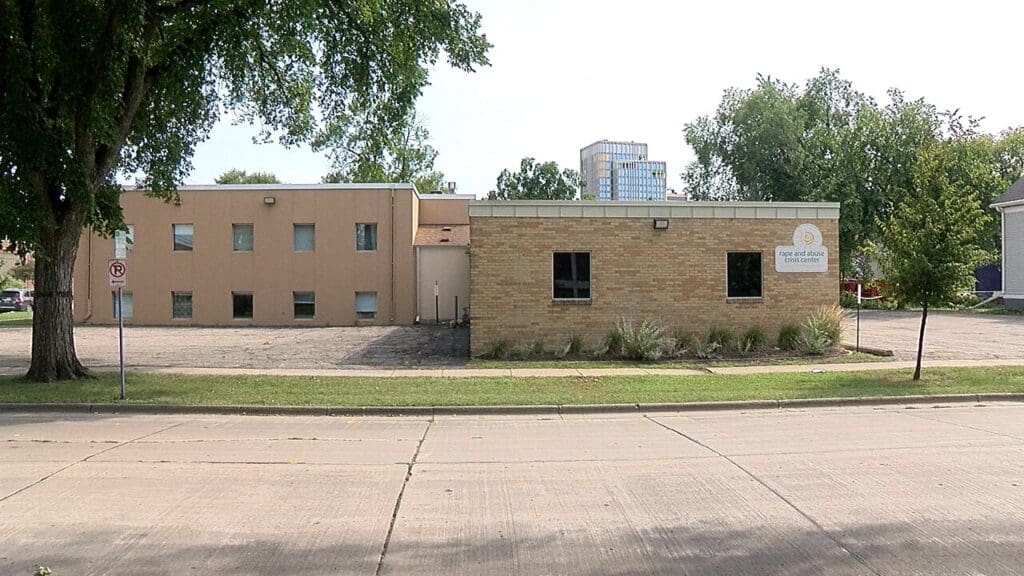
For decades, we were known as Rape & Abuse Crisis Center (RACC). Our name has changed—but our commitment has only deepened. Now as Sollera, we’re honoring what victim-survivors told us they needed most: a presence, not a label. A guide, not a gatekeeper.
Whether someone reaches out once or 101 times, we’re here—with the same belief:
What We Do
Sollera provides free, confidential support to people impacted by violence and abuse—along with proactive education to prevent harm before it begins.
Our services include:
- Counseling for individuals, children, and families
- Advocacy for safety planning, legal support, and emotional care
- Prevention education in schools, workplaces, and community settings
- Supervised visitation and exchange through Parenting Time Center
- Offender intervention to reduce recidivism and support long-term change
We serve victim-survivors, families, professionals, and anyone working toward a safer, more compassionate community.
Our Community Impact
Each number represents someone who felt heard, found safety, or took a step toward healing—and that’s what drives us forward.
In a single year, Sollera provided:
4,700+
sessions of trauma-informed counseling
3,500+
individuals served across all programs (not including Prev Ed).
2,529
individuals were supported with advocacy and safety planning
1,523
supervised parenting sessions and 231 safe exchanges provided to 207 children and 219 parents
69
schools reached through prevention education programs
24/7
advocacy provided to more than 2500 (2529) victim-survivors.

“Every person we help reflects years of community trust—and every service we provide is shaped by that responsibility.”
Sollera Team Member
A Brief History
- We offer long-term counseling and prevention
- We now support entire families and systems
- We’re leading upstream—to stop violence before it starts
Our new name reflects that evolution. Sollera is rooted in the word solace—a name that carries comfort, calm, and the light of a path forward.
1
Subheading one
Lorem ipsum dolor sit amet, consectetur adipiscing elit. Suspendisse varius enim in eros elementum tristique.
2
Subheading one
Lorem ipsum dolor sit amet, consectetur adipiscing elit. Suspendisse varius enim in eros elementum tristique.
3
Subheading one
Lorem ipsum dolor sit amet, consectetur adipiscing elit. Suspendisse varius enim in eros elementum tristique.
4
Subheading one
Lorem ipsum dolor sit amet, consectetur adipiscing elit. Suspendisse varius enim in eros elementum tristique.
Meet Our Leadership Team
Our leaders bring decades of experience in trauma-informed care, systems advocacy, and nonprofit leadership—united by one mission: helping people feel safe, be heard, and heal.
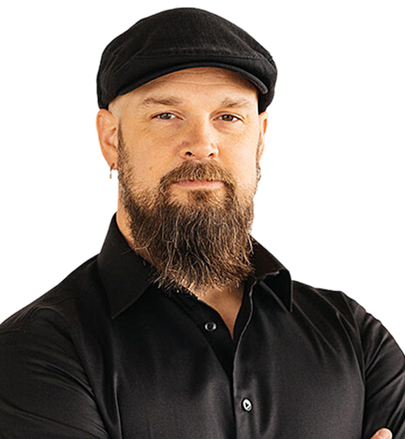
Christopher Johnson, PhD, MSW
Chief Executive Officer
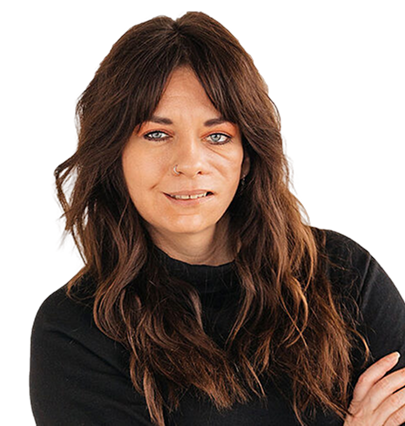
Andrea Lang, MS
Director of Organizational Advancement
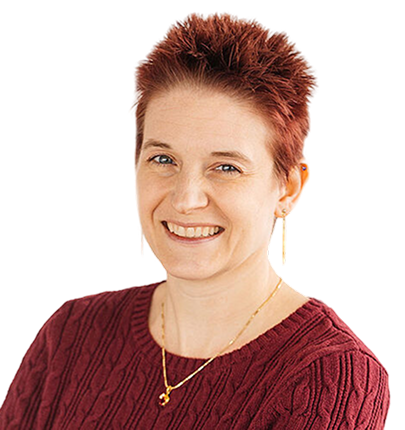
Jennifer Babcock
Chief Financial Officer

Sara Stompro, LBSW
Director of Program Services
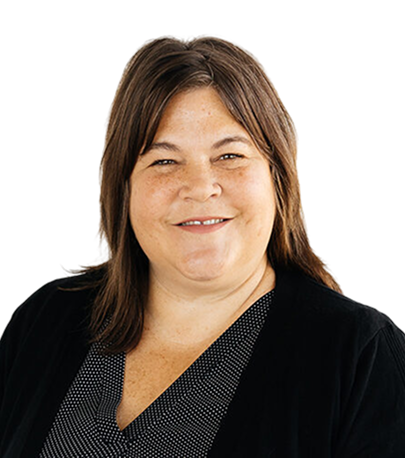
Jody Hudson
Development Director

Nicole Nimens, BSCJS
Director of Operations & Community Services
Join a team that meets people where they are—and helps them heal
Board of Directors
Our board guides Sollera’s strategic vision and ensures long-term sustainability.
Together, our board and staff are committed to building an organization—and a community—where healing is possible and dignity is non-negotiable.
Next Board Meeting: August 27, 2026
Phillip Siek
President-Senior Director of Planning and Construction, Sanford
Brittney Piper
Emily May
Secretary-Senior Compliance Director,
M&T Bank
Shaun R Harrison
Vendor Relations Leader, Scheels
Craig Ehrmantraut
Chief Credit Officer,
Cornerstone Bank
Annie Feltman
Detective,
City of West Fargo
Denise Kolpack
City of Fargo
Laura McDaniel
Laura McDaniel Communication
Alli Harrison
Sanford Health
Julia Asprey
Burgum Foundation
Nicole Kungel
WEX, Inc
Ashley Campion
Ulteig Engineering
Paul Zenker
Edward Jones
Sandra Christianson
Registered Nurse
Testimonials
Elementary School Counselor
“The program you brought into our school helped one of my students speak up about something happening at home. You made a difference—more than you know.”
Elementary School Counselor
“The program you brought into our school helped one of my students speak up about something happening at home. You made a difference — more than you know.”
Elementary School Counselor
“The program you brought into our school helped one of my students speak up about something happening at home. You made a difference — more than you know.”
FAQs
Do I have to leave my relationship to get help?
No. We support your safety and your choices—whether you’re staying, leaving, or unsure.
Is this just for people in crisis?
Not at all. Many people seek advocacy weeks, months, or years after harm has happened.
Do I have to leave my relationship to talk to an advocate?
No. You are welcome regardless of your current situation or choices.
Is this the same as counseling?
No. Advocacy is short-term, support-focused—but many people use both services together.
Can I talk to someone more than once?
Yes. There’s no limit on how often you can access advocacy support.
Do I need to provide identification for services?
No, while some referrals for services outside our agency require identification, Sollera does not.
Will you keep my information private?
Yes. Your privacy matters deeply to us. We are not mandated reporters for adults and will not contact police or other systems without your consent—unless someone is in immediate danger, or if the person at risk is a minor or an adult with disabilities. In those situations, we are required by law to report for their protection.
If you have questions about confidentiality, we’re here to talk through them with care.
Can my friend or family member reach out for support too?
Yes. We offer advocacy for secondary victim-survivors like parents, partners, or roommates.
Is this anger management?
No. This program addresses patterns of control and relationship violence, not just emotional outbursts.
Can I refer myself?
Yes. While many attend due to court involvement, self-referrals are welcome.
Do both parents have to agree to use Parenting Time Center?
Yes. Participation requires mutual agreement on service type and schedule.
What’s the difference between a visit and an exchange?
Visits involve time spent with the child at our center. Exchanges are brief, structured hand-offs where children move between parents safely.
Are children forced to participate?
No. If a child expresses that they do not want to visit, they are never forced—their comfort and safety come first.
Will this help with custody or legal outcomes?
Completion may be recognized by courts, but we do not guarantee outcomes—our focus is personal growth and harm reduction.
Is prevention education just for kids?
Not at all. We work with schools and adults—including employers, law enforcement, and nonprofits.
Can I schedule a presentation for my workplace, not a school?
Yes. We regularly lead workshops for businesses, civic groups, and service providers.
What does a classroom program actually look like?
All sessions are developmentally tailored. For example, second graders may color green/red flags and discuss what feels safe, while teens might explore boundaries in dating relationships.
Do I have to talk in group therapy?
No. Sharing is encouraged but never required—you can participate at your own comfort level.
Can I attend group and individual counseling?
Is counseling really free?
Yes—Sollera’s services are completely free, thanks to community donations and grant support.
Is everything confidential?
Absolutely. Our confidentiality protections are even stronger than typical private practice standards.
Do I have to talk about everything right away?
No. You control what you share, when you share it, and how you move through your healing.
Can I bring my child for counseling?
Yes—we provide child and adolescent therapy for young victim-survivors and children impacted by family violence.
Is there a charge for prevention workshops?
Most of our prevention workshops are offered free of charge—especially for schools, nonprofits, and community groups.
We believe everyone should have access to education that promotes safety, respect, and healing. That said, if we’re asked to present at a paid event (like a ticketed conference or professional training), we may request a fee to cover our time and travel.
If you’re not sure whether your event qualifies, we’re happy to talk it through with you.Not at all. We work with schools and adults—including employers, law enforcement, and nonprofits.
Can you customize a topic for our audience?
Yes! We’re happy to tailor content based on your group’s age, needs, and goals.
How do I request a session?
Just contact us through our intake form or email—we’ll walk you through the simple next steps.
Is the Red Flag Green Flag program appropriate for private schools?
Yes, RFGF has been implemented successfully in both public and private schools across the globe. Material contains non-offensive imagery and kid appropriate language that is effective in nearly any environment.
How often is the Red Flag Green Flag curriculum updated?
Since launching in 1983, the program has undergone multiple revisions to address changing tactics in abuse prevention. The latest update was released in 2024 and will continued to be updated as needed.
How will I know when a new group is starting?
We announce new group offerings on our website and by email. Contact us to join the waitlist or get updates.
Does my child have to talk about everything right away?
No. Therapists meet children where they are—building trust is the first priority.
Can I sit in on my child’s sessions?
Sometimes. Therapists work with caregivers to determine what’s best for the child’s healing.
Is parental consent required?
Yes, for minors under 18. Our team will guide you through the simple consent process.
Is this only for people in immediate crisis?
No. You can begin counseling at any point in your healing process—even if your trauma happened years ago.
Will I have the same counselor each time?
Yes. We’ll match you with someone and prioritize continuity of care.
What if I’m not ready to talk about everything?
That’s completely okay. You set the pace.
Are prevention services free?
Yes, all Sollera prevention education and coordination services are offered free of charge, thanks to generous donors and grant support.
Am I required to file a police report for services?
No, reporting to authorities is not required for services. If you choose to do so, our team is here to support you.
Do I have to leave my relationship to get help?
No. We support your safety and your choices — whether you’re staying, leaving, or unsure.
Is this just for people in crisis?
Not at all. Many people seek advocacy weeks, months, or years after harm has happened.
Do I have to leave my relationship to talk to an advocate?
No. You are welcome regardless of your current situation or choices.
Is this the same as counseling?
No. Advocacy is short-term, support-focused — but many people use both services together.
Can I talk to someone more than once?
Yes. There’s no limit on how often you can access advocacy support.
Do I need to provide identification for services?
No, while some referrals for services outside our agency require identification, Sollera does not.
Will you keep my information private?
Yes. Your privacy matters deeply to us. We are not mandated reporters for adults and will not contact police or other systems without your consent—unless someone is in immediate danger, or if the person at risk is a minor or an adult with disabilities. In those situations, we are required by law to report for their protection.
If you have questions about confidentiality, we’re here to talk through them with care.
Can my friend or family member reach out for support too?
Yes. We offer advocacy for secondary victim-survivors like parents, partners, or roommates.
Is this anger management?
No. This program addresses patterns of control and relationship violence, not just emotional outbursts.
Can I refer myself?
Yes. While many attend due to court involvement, self-referrals are welcome.
Do both parents have to agree to use Parenting Time Center?
Yes. Participation requires mutual agreement on service type and schedule.
What’s the difference between a visit and an exchange?
Visits involve time spent with the child at our center. Exchanges are brief, structured hand-offs where children move between parents safely.
Are children forced to participate?
No. If a child expresses that they do not want to visit, they are never forced — their comfort and safety come first.
Will this help with custody or legal outcomes?
Completion may be recognized by courts, but we do not guarantee outcomes — our focus is personal growth and harm reduction.
Is prevention education just for kids?
Not at all. We work with schools and adults — including employers, law enforcement, and nonprofits.
Can I schedule a presentation for my workplace, not a school?
Yes. We regularly lead workshops for businesses, civic groups, and service providers.
What does a classroom program actually look like?
All sessions are developmentally tailored. For example, second graders may color green/red flags and discuss what feels safe, while teens might explore boundaries in dating relationships.
Do I have to talk in group therapy?
No. Sharing is encouraged but never required — you can participate at your own comfort level.
Can I attend group and individual counseling?
Yes. Many participants do both.
Is counseling really free?
Yes — Sollera’s services are completely free, thanks to community donations and grant support.
Is everything confidential?
Absolutely. Our confidentiality protections are even stronger than typical private practice standards.
Do I have to talk about everything right away?
No. You control what you share, when you share it, and how you move through your healing.
Can I bring my child for counseling?
Yes — we provide child and adolescent therapy for young victim-survivors and children impacted by family violence.
Is there a charge for prevention workshops?
Most of our prevention workshops are offered free of charge—especially for schools, nonprofits, and community groups.
We believe everyone should have access to education that promotes safety, respect, and healing. That said, if we’re asked to present at a paid event (like a ticketed conference or professional training), we may request a fee to cover our time and travel.
If you’re not sure whether your event qualifies, we’re happy to talk it through with you.Not at all. We work with schools and adults — including employers, law enforcement, and nonprofits.
Can you customize a topic for our audience?
Yes! We’re happy to tailor content based on your group’s age, needs, and goals.
How do I request a session?
Just contact us through our intake form or email — we’ll walk you through the simple next steps.
Is the Red Flag Green Flag program appropriate for private schools?
Yes, RFGF has been implemented successfully in both public and private schools across the globe. Material contains non-offensive imagery and kid appropriate language that is effective in nearly any environment.
How often is the Red Flag Green Flag curriculum updated?
Since launching in 1983, the program has undergone multiple revisions to address changing tactics in abuse prevention. The latest update was released in 2024 and will continued to be updated as needed.
How will I know when a new group is starting?
We announce new group offerings on our website and by email. Contact us to join the waitlist or get updates.
Does my child have to talk about everything right away?
No. Therapists meet children where they are — building trust is the first priority.
Can I sit in on my child’s sessions?
Sometimes. Therapists work with caregivers to determine what’s best for the child’s healing.
Is parental consent required?
Yes, for minors under 18. Our team will guide you through the simple consent process.
Is this only for people in immediate crisis?
No. You can begin counseling at any point in your healing process — even if your trauma happened years ago.
Will I have the same counselor each time?
Yes. We’ll match you with someone and prioritize continuity of care.
What if I’m not ready to talk about everything?
That’s completely okay. You set the pace.
Are prevention services free?
Yes, all Sollera prevention education and coordination services are offered free of charge, thanks to generous donors and grant support.
Am I required to file a police report for services?
No, reporting to authorities is not required for services. If you choose to do so, our team is here to support you.
 English
  Arabic
  Bosnian
  French
  Kurdish
  Nepali
  Spanish
  Ukrainian
  Pashto
  Swahili
  Kinyarwanda
  Somali