When people hear the word “advocacy,” they often imagine paperwork, courtrooms, or systems that feel intimidating and impersonal. At Sollera, advocacy means something much simpler and much more powerful: walking alongside victim-survivors as they navigate some of the hardest moments of their lives.
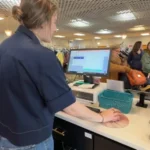
Sollera advocates meet victim-survivors where they are—emotionally, physically, and logistically. That might look like answering a late-night crisis call, sitting quietly during a hospital exam, helping someone file a protection order, or explaining options without pressure or judgment. Victim-survivors are always in control of what comes next. Advocacy is never about telling someone what to do; it’s about making sure they’re not alone while they decide.
For many, systems like law enforcement, medical care, or the court system can feel overwhelming or even re-traumatizing. Advocates help translate those systems into plain language, explain what to expect, and support victim-survivors if they choose to engage. And if they don’t, that choice is honored, too. Support is not conditional.
Sollera’s advocacy services are free, confidential, and available to survivors of domestic violence, sexual assault, and stalking. Whether someone reaches out immediately after an incident or years later, they are met with compassion, belief, and respect.
At its core, advocacy at Sollera is about restoring dignity and agency. It’s about reminding victim-survivors—sometimes for the first time—that what happened to them was not their fault, and that support is available without strings attached.
In 2025, Sollera supported more than 2500 people through advocacy services. Of the danger assessments completed with these victim-survivors, more than 65% scored severe or extreme danger level. In 2025, Sollera’s advocates filed 109 orders for protection, up from 66 in 2024. They also responded to 162 victim-survivors seeking care in the Emergency Room.
 English
  Arabic
  Bosnian
  French
  Kurdish
  Nepali
  Spanish
  Ukrainian
  Pashto
  Swahili
  Kinyarwanda
  Somali